Trending Stories
Over 60 With High Blood Pressure? Why Checking for AFib Matters
People over 60 with high blood pressure have a higher risk of atrial fibrillation (AFib). Learn how early detection through regular blood pressure and heart rhythm monitoring may help reduce the risk of stroke and heart failure.

Atrial Fibrillation (AFib) Increases After Age 60 — Especially if You Have High Blood Pressure
Atrial fibrillation (AFib) is a type of irregular heartbeat. It becomes much more common after age 60*1, and about 40% of people with AFib have no symptoms*2.
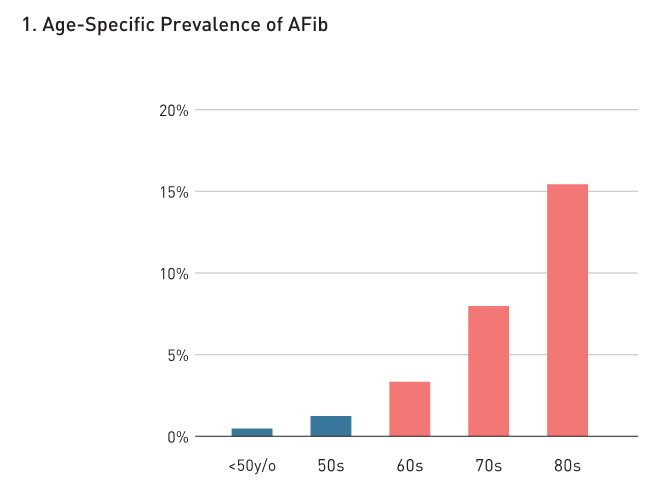 JACC Adv. 2024 Oct 10;3(11):101330.,
High blood pressure is one of the main risk factors for AFib. In fact, 49–90% of people with AFib also have high blood pressure*3.
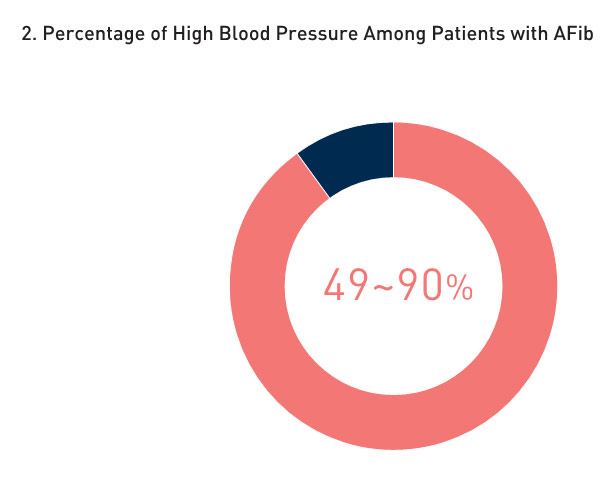 Eur Heart J. 2026 Jan 7;47(2):170-187.,
If you:
Have been diagnosed with high blood pressure and are now over 60, or
Were recently diagnosed with high blood pressure after turning 60
your risk of developing AFib may already be increasing quietly.
That’s why it’s important not only to measure your blood pressure every day, but also to check your heart rhythm regularly.
AFib Gradually Progresses and Increases the Risk of Heart Failure and Stroke
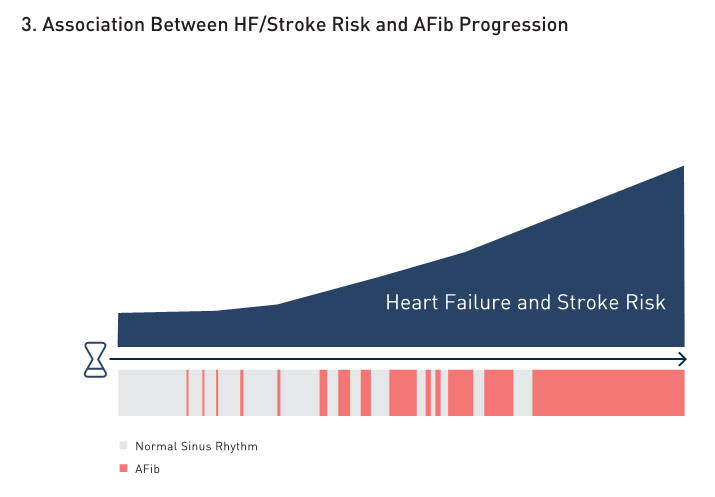
Most AFib does not start as a constant irregular rhythm. In many people, normal rhythm and irregular rhythm alternate at first. As AFib progresses, the episodes of irregular rhythm last longer and happen more often.
Research shows that the longer AFib continues, the higher the risk of serious complications such as:
Heart failure
Stroke
In other words, as AFib progresses, these risks increase.
What Studies Show About AFib Episodes Lasting 24 Hours or More
Studies analyzing heart rhythm data from implanted pacemakers and defibrillators found:
When AFib lasts longer than 24 hours, the risk of stroke increases. *4
When AFib lasts less than 24 hours, stroke risk is similar to people without AFib. *4
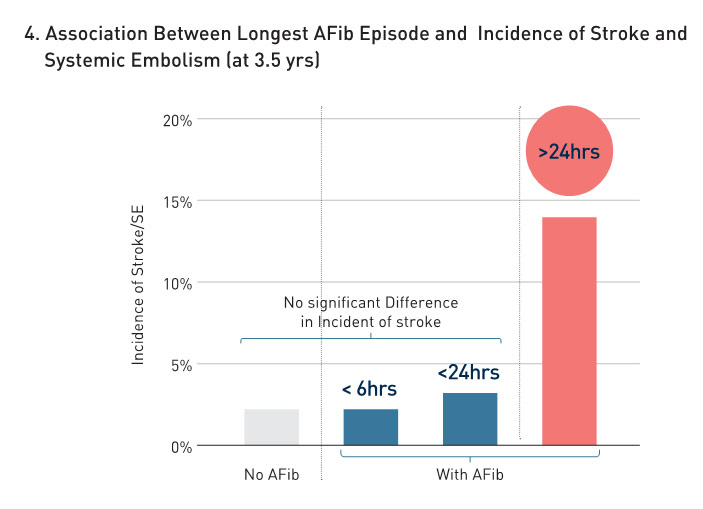 Eur Heart J. 2017 May 1;38(17):1339-1344.,
In addition, when AFib progresses to episodes lasting 24 hours or more, hospitalizations for heart failure increase fivefold*5. However, these studies do not mean that AFib is completely “safe” below a certain number of hours and “dangerous” above it. We cannot define a clear cut-off that separates safe from unsafe. Instead, these findings suggest that it is important to detect AFib early — when episodes are still short — and to take steps to prevent it from lasting longer or becoming more frequent. In other words, finding AFib at an early stage and preventing it from getting worse may help lower the risk of heart failure and stroke.
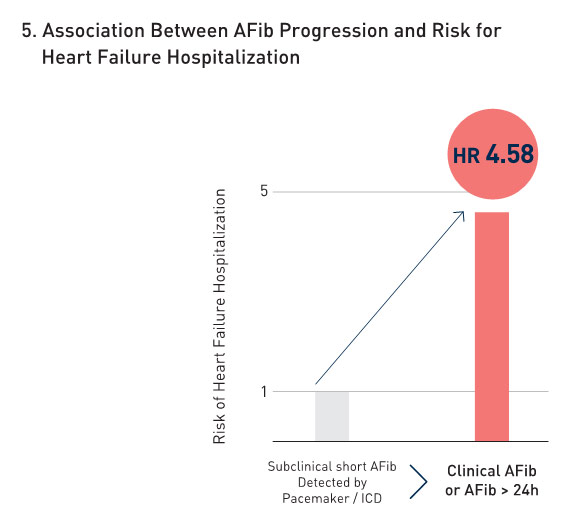 J Am Coll Cardiol. 2018 Jun 12;17(23):2603-2611.,
Regular Monitoring at Home Helps Detect Early AFib Before It Progresses
Recent long-term ECG monitoring in hospitals shows that over 70% of newly detected AFib cases lasted 6 hours or less (median 38 minutes)*6.
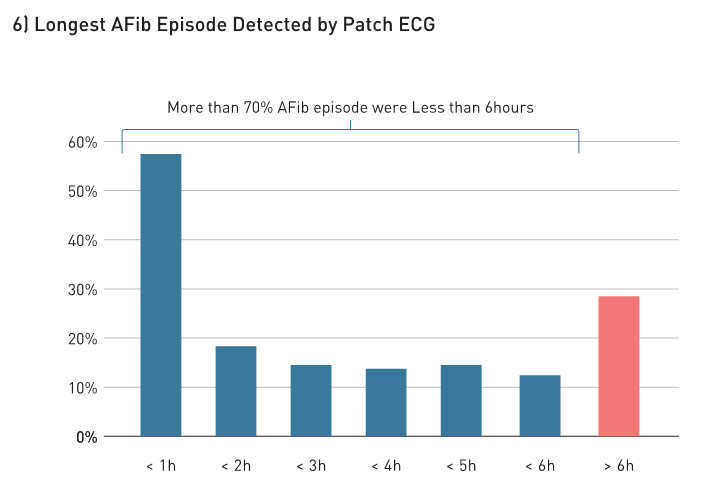 JACC Clin Electrophysiol. 2025 Jan;11(1):110-119.,
Similarly, wearable consumer devices have found that over 70% of detected irregular rhythms lasted less than 24 hours*7. This means many newly detected AFib cases are still in an early stage, when the risk of heart failure or stroke is relatively low. There are medications called anticoagulants that reduce stroke risk by preventing blood clots. However, in low-risk patients, the risk of bleeding side effects may outweigh the benefits. Therefore, in early-stage AFib, less burdensome approaches that help prevent progression (prevent episodes from becoming longer) are important.
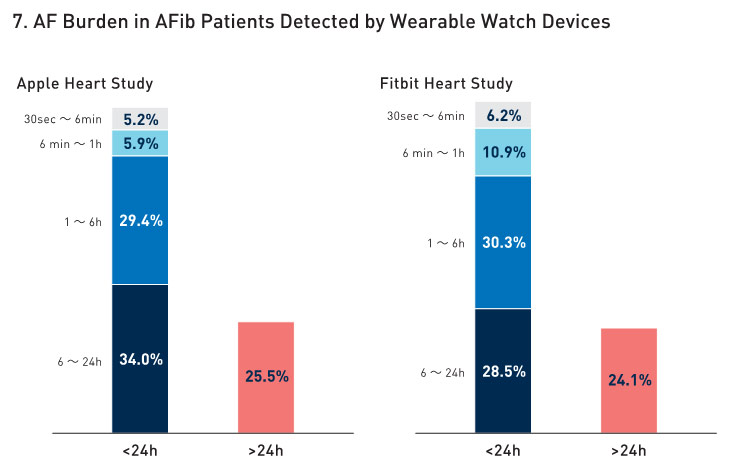 N Engl J Med. 2019 Nov 14;381(20):1909-1917. and Circulation. 2022 Nov 8;146(19):1415-1424.,
Managing Blood Pressure May Help Prevent AFib and Its Progression
Good blood pressure control is very important for preventing AFib and stopping it from worsening.
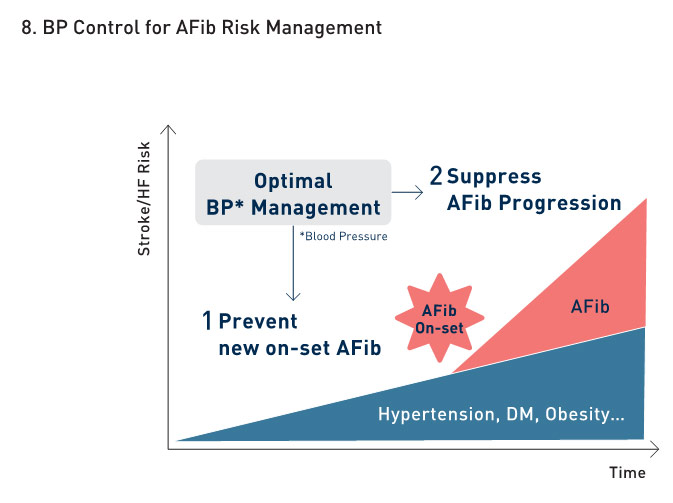 Proper control of blood pressure and other risk factors can:
Reduce the chance of developing AFib*8
Reduce progression once AFib occurs*9
Lower the risk of heart failure and stroke*10
Reduce bleeding risk if taking anticoagulants*11
For people over 60 with high blood pressure, checking both blood pressure and heart rhythm daily is important — not only to detect AFib, but also to help prevent it and keep it from getting worse.
The Leading Cause of Death and Hospitalization in AFib Is Heart Failure
In the past, stroke received the most attention in AFib because many patients were diagnosed at advanced stages. Now that more early-stage AFib is being detected, we must also focus on another serious complication: heart failure. Heart failure is a condition where the heart becomes too weak to pump enough blood throughout the body.
Symptoms may include:
Shortness of breath
Swelling in the legs
Fatigue
Getting tired easily
In severe cases, hospitalization may be required, and it can become life-threatening. In fact, among people with AFib, heart failure is the most common cause of death and hospitalization*12. So people with AFib should be concerned not only about stroke, but also about heart failure.
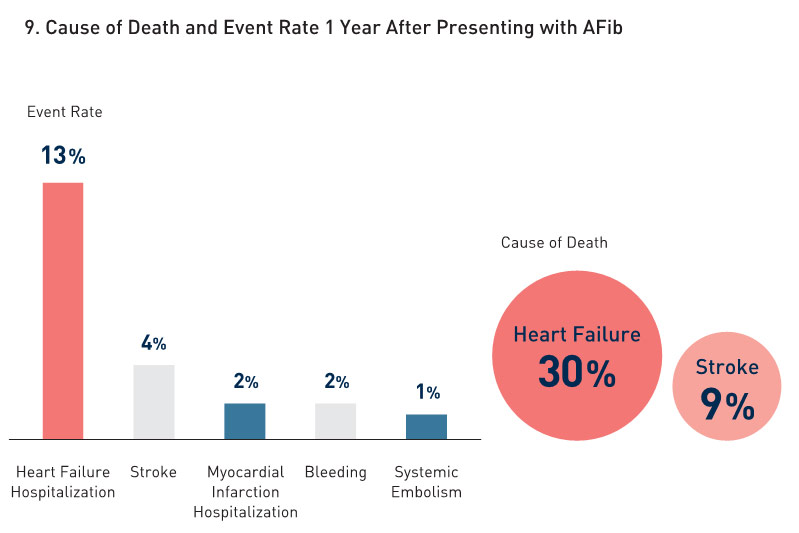 The Lancet. 2016;388(10050):1161-1169
If AFib Is Detected Early, Check for Signs of Heart Failure
Early detection of heart failure can be difficult because:
Symptoms may be subtle
It can be confused with aging or other conditions
A scoring system called the H₂FPEF score*13 was developed to estimate the likelihood of heart failure, especially in patients with unexplained shortness of breath.
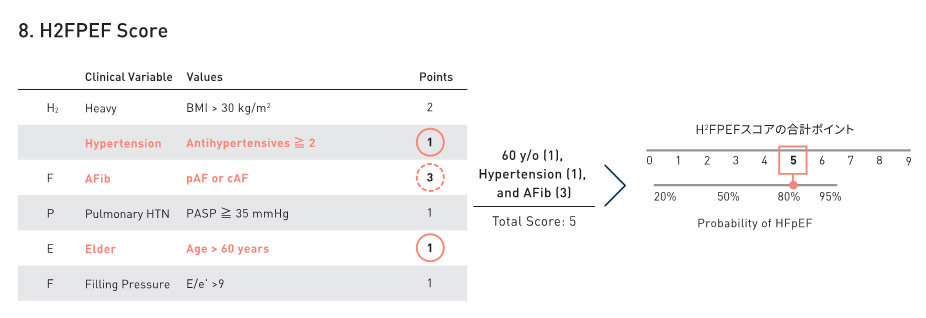 Circulation. 2018 Aug 28;138(9):861-870.
According to this evaluation, if a person over 60 with high blood pressure develops AFib and has shortness of breath, there is a high likelihood that heart failure may be present. Some blood pressure monitors, such as certain models from Omron Healthcare, can detect possible AFib during home measurements.
If you are over 60 with high blood pressure and your monitor indicates possible AFib, we recommend that you:
Ask yourself if you have shortness of breath
Check for swelling
Notice whether you feel unusually tired
Even mild symptoms should not be ignored. Especially in older adults, symptoms may be mistaken for “just getting older.” If AFib is suspected, please consider scheduling a medical appointment for further evaluation.
If you are over 60 and have high blood pressure — or have had high blood pressure for many years and are now turning 60 — we recommend using a blood pressure monitor that can detect possible AFib.
By monitoring both your blood pressure and heart rhythm at home, you may be able to detect AFib early, prevent it from worsening, and reduce your risk of heart failure and stroke.
*Figures and tables are reconstructed from the original publication for reference only. Please refer to the original article for exact values.
References
1: JACC Adv. 2024 Oct 10;3(11):101330.
2: Am J Med. 2015 May;128(5):509-18.e2., and JAMA Cardiol. 2016 Jun 1;1(3):282-91.
3: Eur Heart J. 2026 Jan 7;47(2):170-187.
4: Eur Heart J. 2017 May 1;38(17):1339-1344.
5: J Am Coll Cardiol. 2018 Jun 12;71(23):2603-2611.
6: JACC Clin Electrophysiol. 2025 Jan;11(1):110-119.
7: N Engl J Med. 2019 Nov 14;381(20):1909-1917. and Circulation. 2022 Nov 8;146(19):1415-1424.
8: Circulation. 2024 Jan 2;149(1):e1-e156.
9: Eur Heart J. 2026 Jan 7;47(2):170-187.
10: Hypertension, 2022, 79(9), 2081-2090.
11: J Am Heart Assoc. 2016 Sep 12;5(9):e004075.
12: The Lancet. 2016;388(10050):1161–1169
13: 8: Circulation. 2018 Aug 28;138(9):861-870.