OMRON Healthcare Acquires Calomeal Developer, Life Log Technology, Inc.
KYOTO, Japan (June 16, 2026) – OMRON Healthcare Co., Ltd. today announced the acquisition of Life Log Technology, Inc, developer of the AI-powered nutrition and health management app Calomeal, as a wholly owned subsidiary. The acquisition supports the expansion of OMRON Healthcare's digital health business, a key focus area of the company’s long-term business strategy, Shaping the Future 2030 (SF2030).
 This acquisition builds upon a business relationship that began in April 2023, when both firms partnered to integrate Calomeal with OMRON Healthcare’s health management platform OMRON connect, providing users in Japan with unprecedented insights that fuse blood pressure, body composition, and other vital data with nutrition and lifestyle metrics. Today, Calomeal serves more than 6.7 million users nationwide, using AI to analyze calories and nutritional content from an archive of over 1.7 billion meal photographs, while OMRON connect supports users in 137 countries and regions worldwide, with downloads in excess of 18 million.
"The prevention of cerebro-cardiovascular events through innovative home health monitoring solutions is one of the cornerstones of our corporate vision, Going for Zero," said Ayumu Okada, President and CEO, OMRON Healthcare Co., Ltd. "This latest acquisition represents an important step in making digital health a more integrated part of everyday life, while continuing to expand our digital health business. By combining Life Log Technology, Inc's expertise in nutritional data and AI development with OMRON Healthcare's devices and vital data capabilities, we aim to accelerate the development of new digital health services that help individuals and families to better manage their health, while supporting healthcare professionals in the delivery of ever-better care."
"For Lifelog Technology, this marks an important new chapter that feels like a second founding," added Shigeyuki Tanahashi, Co-Founder and CEO of Life Log Technology, Inc. "Calomeal was born from my own experience of managing a chronic health condition and a desire to help people better understand their health through data. By combining OMRON Healthcare's expertise in biosensing and vital data with Calomeal's AI-powered nutrition and lifestyle insights, we believe we can create more personalized digital health solutions that empower people to take greater control of their health."
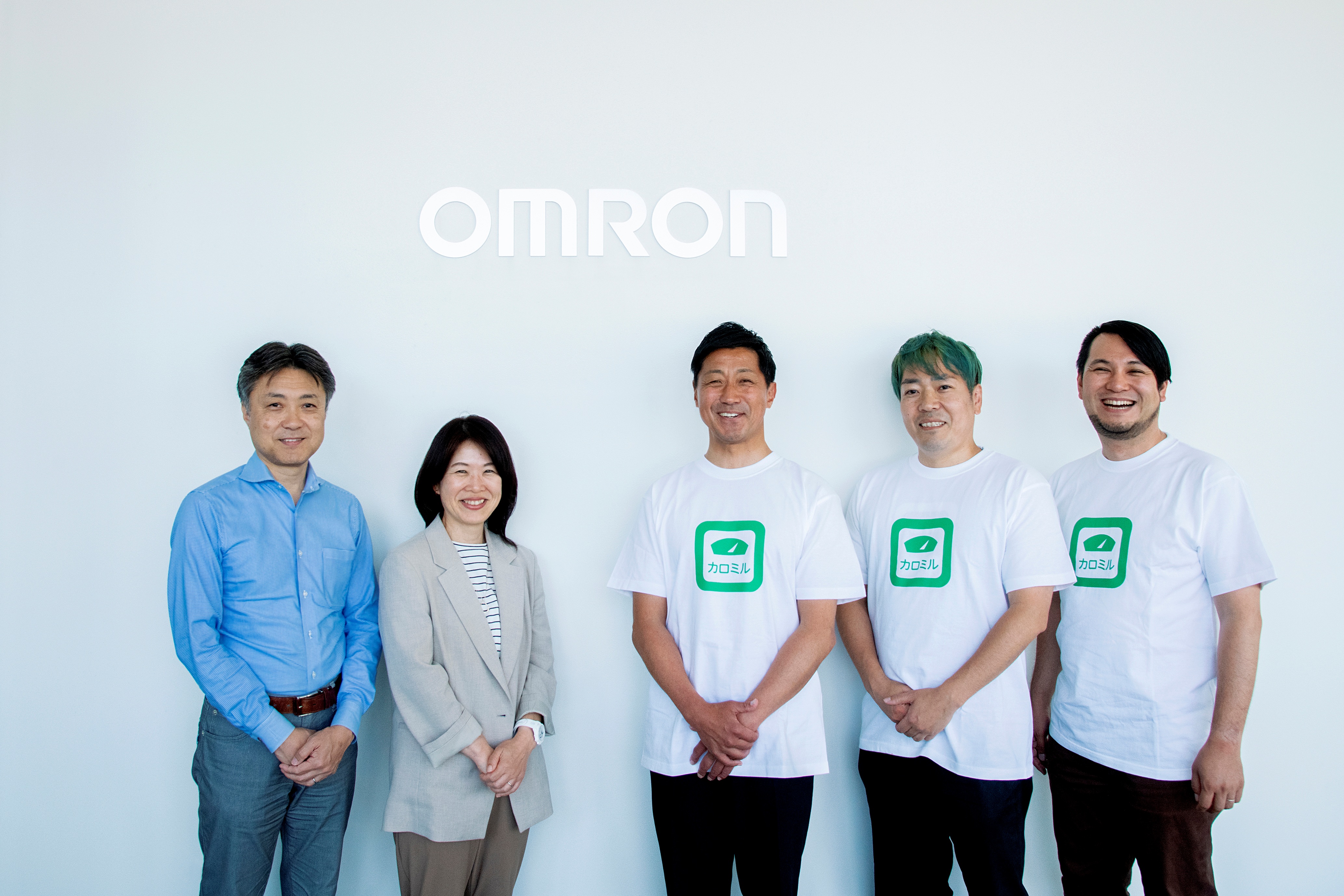 OMRON Healthcare and Life Log Technology, Inc representatives following signing of acquisition agreement.
(Left to right: Tatsuo Noda, Executive Officer and General Manager, Management Strategy HQ, OMRON Healthcare; Ayumu Okada, President and CEO, OMRON Healthcare; Shigeyuki Tanahashi, Co-Founder and CEO, Life Log Technology, Inc; Kodai Aman, Co-Founder and CTO, Life Log Technology, Inc; and Shinichiro Kosuge, CFO, Life Log Technology, Inc)
About OMRON Healthcare
Committed to advancing health and empowering people worldwide to live life to the fullest, OMRON Healthcare is a global leader in the field of clinically proven, innovative medical equipment for home health monitoring and treatment. Aiming to realize its vision, “Going for ZERO, Preventive Care for the Health of Society,” the company develops products for cardiovascular condition management, respiratory care, and pain therapy. Building on this, it has introduced a new digital health ecosystem that bridges patients and healthcare professionals, helping to reduce cerebro-cardiovascular events, the worsening of respiratory diseases, and limitations caused by chronic pain.
With over 400 million units sold globally, OMRON provides the world's most recommended blood pressure monitors by healthcare professionals. Throughout its history, OMRON Healthcare has striven to improve lives and contribute to a better society by developing innovations that help people prevent, treat, and manage their medical conditions, providing products and services in over 130 countries.
For more information, please visit:
Website: https://healthcare.omron.com/
LinkedIn: https://www.linkedin.com/company/omron-healthcare-co-ltd-/
Media enquiries
This press release is disseminated by Kyodo PR on behalf of OMRON Healthcare. For more information or for interview opportunities, please contact:
OMRON Healthcare Press Desk: omronhealthcare-pr@kyodo-pr.co.jp